

Why Ag is Different » Local Adaptation
Adaptation capacity in agriculture is inherently local and time-dependent
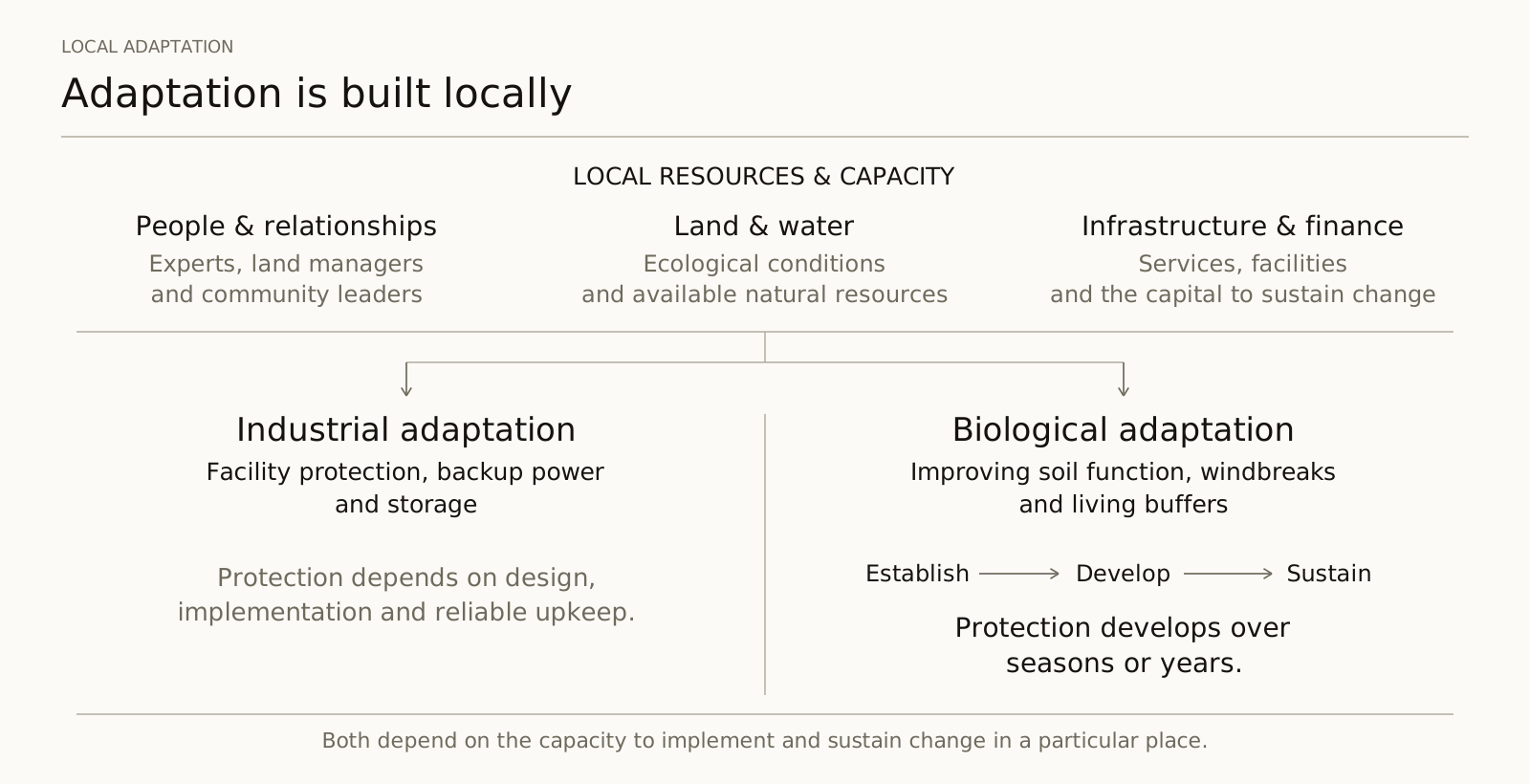
Agricultural adaptation combines industrial measures, such as flood protection, backup power and storage, with biological changes that improve soil function, establish windbreaks and restore ecological buffers. Both depend on local resources: infrastructure investments need viable water, energy and service networks, while biological responses depend on the land’s condition, ecological potential and management history. Turning either into effective protection requires the knowledge, skills, relationships and finance available to the people implementing it.
Biological adaptation also has a lead time: improving soil function or establishing living buffers can take years to build resilience. Costs and management commitments begin while that protection is still developing and weather exposure continues. Assessing adaptation ROI therefore means understanding how benefits build over time, what it takes to sustain the change, and whether those benefits arrive within the investment or operating horizon that matters.
LOCAL ADAPTATION
Adaptation is built locally
LOCAL RESOURCES & CAPACITY
Experts, land managers and community leaders
Ecological conditions and available natural resources
Services, facilities and the capital to sustain change
Facility protection, backup power and storage
Protection depends on design, implementation and reliable upkeep.
Improving soil function, windbreaks and living buffers
Establish → Develop → Sustain
Protection develops over seasons or years.
Both depend on the capacity to implement and sustain change in a particular place.